Practical
What to wear in Sri Lanka and temple etiquette
The short answer
At every Buddhist and Hindu temple cover your shoulders and knees, take off shoes and hats, and never pose with your back to a Buddha statue. Visible Buddha tattoos have led to refused entry and deportation. Elsewhere, light loose clothes for 30 °C lowlands and a fleece for 10 °C nights in Nuwara Eliya. On Poya days no alcohol is sold.
Last updated . Published by Majeste.
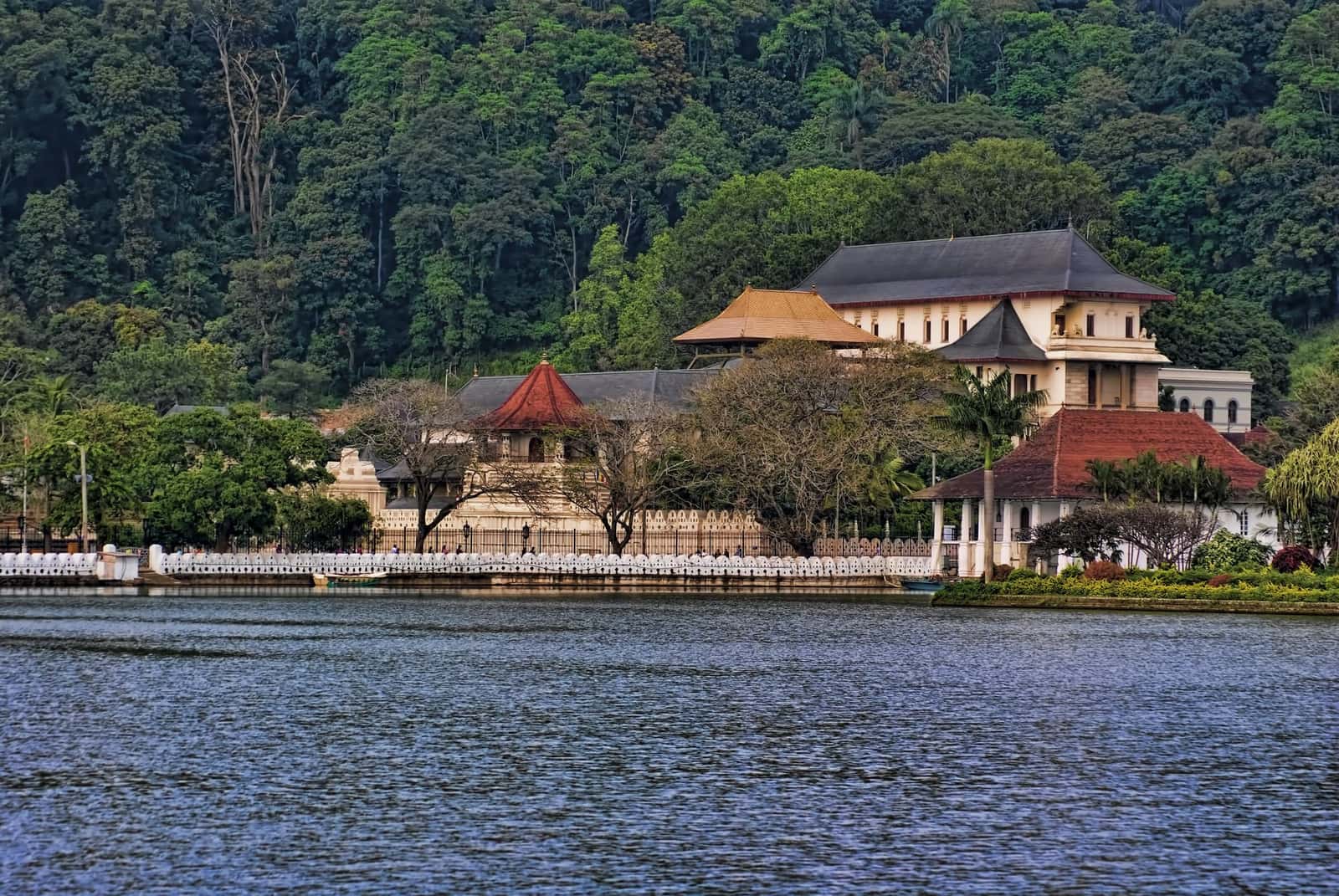

Temple dress code
Shoulders and knees covered for everyone, men included; a sarong or long trousers and a T-shirt with sleeves will do, and sarongs are often lent or sold at the gate. Shoes and hats come off at the entrance; carry socks, because the stone is hot by mid-morning at Anuradhapura, Dambulla and Polonnaruwa, and a small bag for the shoes (or pay the minder LKR 50 to 200). White or plain clothing is traditional on Poya days and respectful at the Temple of the Tooth, but not required. At Hindu kovils such as Nallur in Jaffna men are usually asked to remove their shirts in the inner areas. Sigiriya is an archaeological site, so temple dress rules are not usually applied there.
Buddha images: the rule that matters most
Disrespect to Buddhist images is a criminal matter in Sri Lanka and both the UK and Canadian advisories (updated 21 September and 2 November 2026) warn about it. Do not pose for photographs with your back to a Buddha statue, beside it, or in front of it as a prop; no selfies with statues. Visible tattoos of the Buddha have led to visitors being refused entry at the airport or deported, so cover them for the whole trip. Buddhist images on clothing or jewellery can also cause problems. Walk clockwise around stupas, do not point your feet at statues or monks, and do not touch anyone's head.
Photography
Four rules, two of which are legal rather than polite.
- No flash on the frescoes at Sigiriya or the murals at Dambulla; it is forbidden and damages the paint.
- Do not photograph military bases, checkpoints, government buildings or VIP convoys; it is an offence.
- Ask before photographing people, and expect some to ask for money. The stilt fishermen at Koggala are a paid demonstration, about LKR 1,000 per group.
- Drones are reported to need registration with the Civil Aviation Authority of Sri Lanka and, for foreign nationals, Ministry of Defence clearance; they are reported banned at national parks, archaeological and sacred sites and near airports. The authority's site could not be read, so check before you travel. Bring one only with permits arranged in advance; we can advise but cannot guarantee permits.
What to pack for the climate
Lowlands and coast: 23 to 33 °C all year with high humidity, so light, loose, quick-drying clothes, a hat, SPF 30 or higher and a light rain layer in any month. Kandy at 450 m is a little cooler. Nuwara Eliya at 1,900 m is 10 to 21 °C in January and February and Horton Plains can be 5 °C at dawn: bring a fleece or jacket and closed shoes for the walk. Adam's Peak is cold and windy at the top. For safaris, neutral colours, a hat and a layer for the 05:30 start in an open jeep. For the whale boat, something warm for the first hour and seasickness tablets. One modest outfit that covers shoulders and knees is enough for all the temples. Leech socks for Sinharaja are provided or sold by the lodges.
Alcohol, Poya days and smoking
The legal age for buying alcohol is 21. On every full-moon Poya day, twelve or thirteen a year, licensed shops and bars close by law and hotels do not serve alcohol in public areas (some serve guests discreetly in their rooms; do not count on it). Liquor shops also close on 13 and 14 April for the New Year and for about three days around Vesak (19 and 20 May 2027). Drinking in public is prohibited in some areas. A 10-day tour has about a one-in-three chance of including a Poya day; it is a good day to visit a temple and see the island at its most devout.
Smoking is banned in enclosed public places. E-cigarettes and vapes are reported to be prohibited for import and sale and customs may confiscate them; we could not verify the regulation, so the safe advice is to leave them at home. Drug offences carry severe penalties, including for transit passengers.
Everyday manners
Eat and hand things over with the right hand. A side-to-side head wobble usually means yes or fine. Public displays of affection are frowned on for any couple; a hand held is fine, more is not. Nude or topless sunbathing is not allowed on any beach. Carry your passport or a copy; the original can be demanded at a police station. Same-sex sexual activity remains criminalised under Penal Code sections 365 and 365A (the law was still in place on 7 October 2026 according to the Human Dignity Trust); the UK advisory is not aware of prosecutions of tourists, and tourism businesses are generally welcoming, but discretion in public is wise for everyone.
At the Temple of the Tooth
Bags are searched at the gate; allow time on Poya days and during the Esala Perahera in July or August. Tickets (LKR 3,000) come only from the machines at the temple. You will not see the tooth itself, only the outer casket, for a short time from a moving queue during the three daily services (05:30, 09:30 and 18:30). Do not step onto the raised platforms, and keep voices low. Facts last checked 7 November 2026.
Trips and places that go with this guide
Round tours
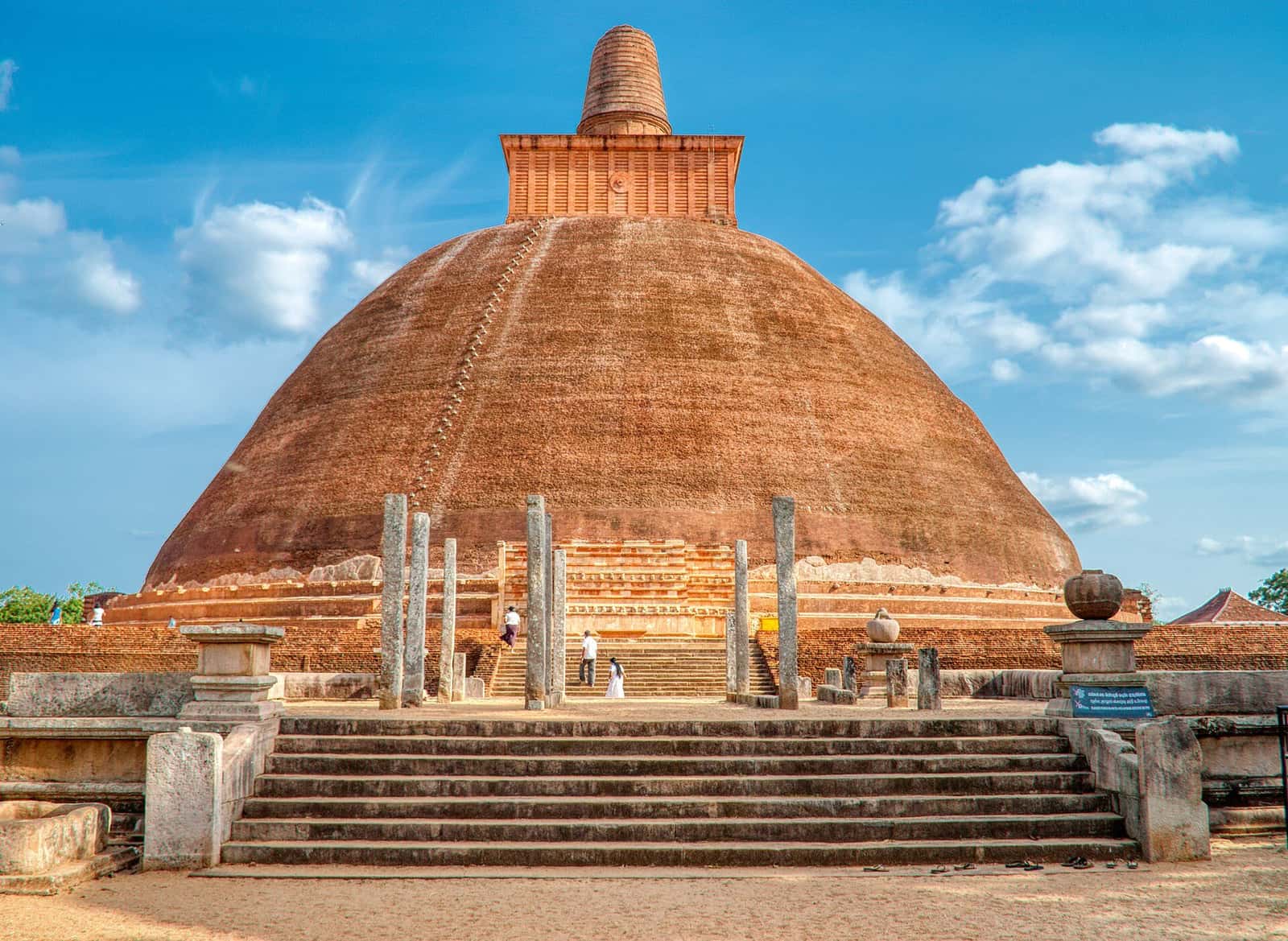
7 days · Comfort hotels
Culture and heritage, 7 days
Anuradhapura, Sigiriya (Dambulla and Habarana), Kandy
Five UNESCO-listed sites in six nights
$694
per person for two, 7 days, comfort hotels, shoulder season, tickets included, temple-run sites paid there
Day tours
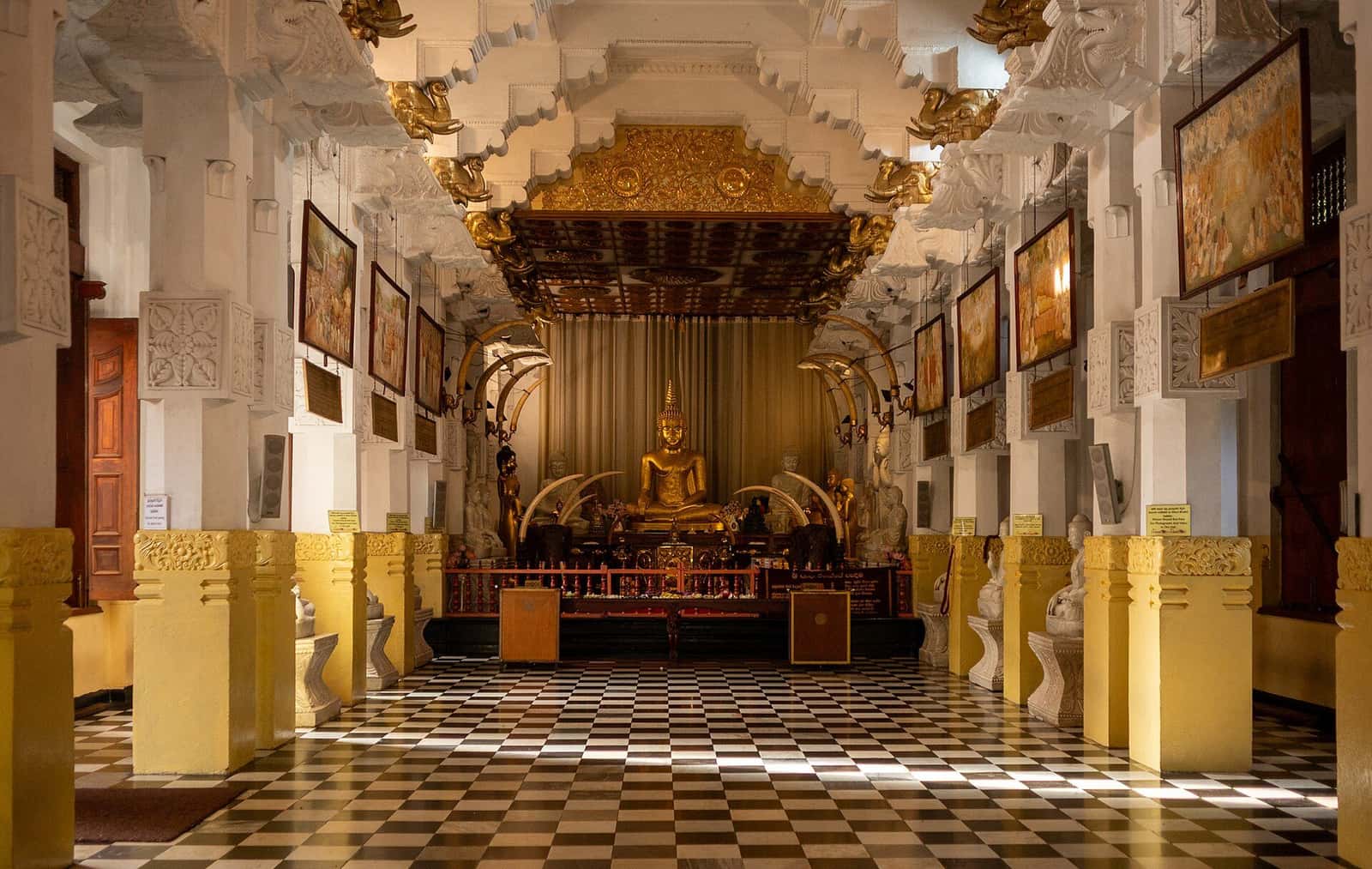
From Kandy · about 10 hours
Kandy city, Peradeniya gardens and a dance show
The standard first day in Kandy
$64
per person for two, from Kandy, tickets included
Read next
Build your own trip and see the full price before you ask. Nothing to pay now.
Build your tripSources
- UK Foreign, Commonwealth and Development Office, Sri Lanka travel advice, checked 7 Nov 2026
- Government of Canada travel advice, Sri Lanka, checked 7 Nov 2026
- Human Dignity Trust, Sri Lanka country profile, checked 7 Nov 2026
- Sri Dalada Maligawa, visitor FAQ, checked 7 Nov 2026
- Climates to Travel, Sri Lanka climate (monthly rainfall and temperature averages), checked 7 Nov 2026